


Wren Spinney School

Sensory Learning
We recognise that Sensory Learning plays a vital role in supporting children with Special Educational Needs and Disabilities (SEND).
By engaging the senses, we can enhance pupils’ engagement, wellbeing, and behaviour, creating a more inclusive and effective learning environment.
Sensory learning involves more than just the five traditional senses—sight, hearing, smell, taste, and touch. It also includes:
- Proprioception – awareness of body position and movement
- Vestibular sense – balance and spatial orientation
- Interoception – understanding internal body signals, such as hunger or emotions
By incorporating sensory experiences into daily learning, we help children better understand themselves and the world around them.
 Sight
Sight
The use of visual aids can help the pupils’ understanding and their retention of what is learnt for longer periods.
The use of Sign Language and symbols reinforces the understanding of what has been communicated.
 Touch
Touch
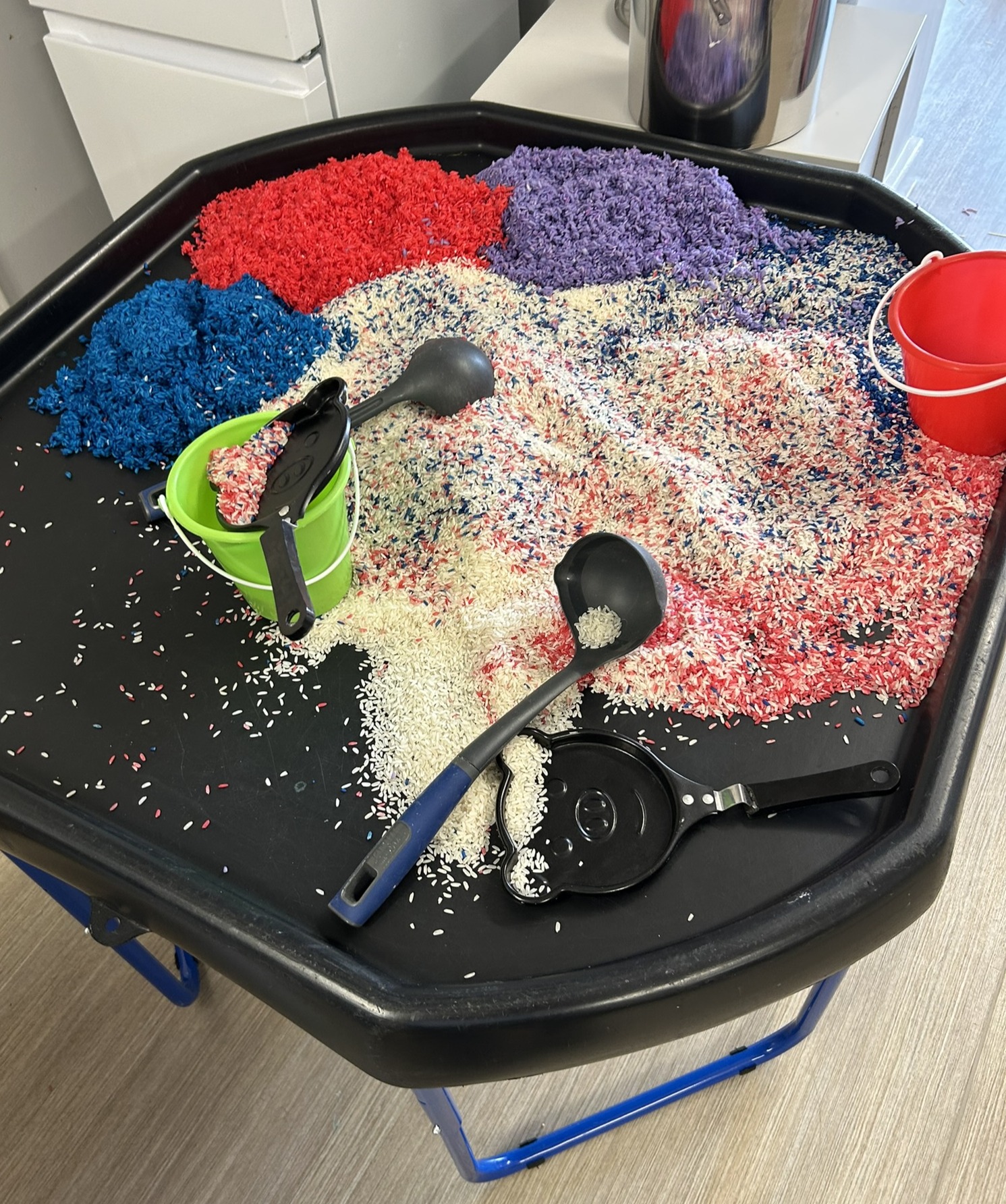
Most pupils benefit from a combination of physical movement and touch-based activities (kinaesthetic learning). Allowing pupils to enjoy touching, examining, building and moving things around is likely to have a positive impact on their learning.
 Hearing
Auditory learners respond well to learning through songs, listening to stories or reading out loud.
 Taste & Smell
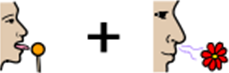
Incorporating taste and smell into lessons can result in extremely engaging learning opportunities for most of the pupils.
 Proprioception
Proprioception is the sense of where your body is in space. It helps you to coordinate your movements, and helps you to feel safe and secure. We allow pupils to use fidget toys, a weighted shoulder or lap pad, weighted blankets, stretchy socks and vibrating cushions, which can ease this anxiety.
Some proprioceptive activities which our pupils enjoy are:
- Weight-bearing activities – crawling.
- Resistance activities – pushing/pulling.
- Heavy-lifting - carrying books.
- Cardiovascular activities – running, jumping on a trampoline.
- Oral activities – chewing, blowing bubbles.
- Deep pressure - body squashing with a therapy ball.
 Vestibular Sense
The vestibular sense allows you to balance.
To develop the sense of vestibulation, pupils need access to movement games and activities.
When pupils need to sit in one place, a 'wobble cushion' may support them with this need.
 Interoception
Interoception is our sense of how we are feeling inside. For our pupils, this sense may not be well-developed, and identifying how they feel can be a big challenge.
To support pupils to develop their sense of interoception, we teach them to use areas of regulation on a regular basis.
We provide calming spaces, fidget toys, and opportunities to take movement breaks.
We use the following:
 Sensory Stories
Sensory Stories provide the learner with a rich sensory experience. The stories use a combination of words, 3D props and sounds. The learners are encouraged to move and use their sense of smell and touch. The words and the experiences are of equal value when telling the story.
 Sensory Play Activities


Sensory Play Activities are a great opportunity for our pupils to learn about the world around them. The pupils have access to:
- Soft play
- Sensory rooms
- Water play
- Sensory garden
- Cause-and-effect toys
- foam
- Playdough
- Clay
- Water beads
- Slime
- Bubbles
Exploring natural materials such as:
- Shells
- Cones
- Leaves
- Conkers
- Mud
- Wood
 Sensory Circuits
Sensory circuits are a form of sensory integration intervention. It involves a sequence of physical activities that are designed to alert, organise and calm the pupil.
 Cookery Sessions
Cookery sessions are hands-on sensory experiences which develop the wellbeing of our pupils. The pupils are encouraged to explore and even taste new foods, develop independence skills, and improve their confidence and resilience.
 Massage Sessions
Massage sessions are based on pupils' responses to tactile stimulation. Massage takes place in a dimly lit, quiet room with soft music. The student may be lying down, or sitting. The massage is performed on the hands or head. Creams may be applied if the child likes them and she/he is not allergic to them.
 Relax Kids
Relax kids helps pupils' mental and emotional health and wellbeing through a variety of relaxation techniques.
Widgit Symbols and Pictures copyright Widgit Software 2004-2025, www.widgit.com.